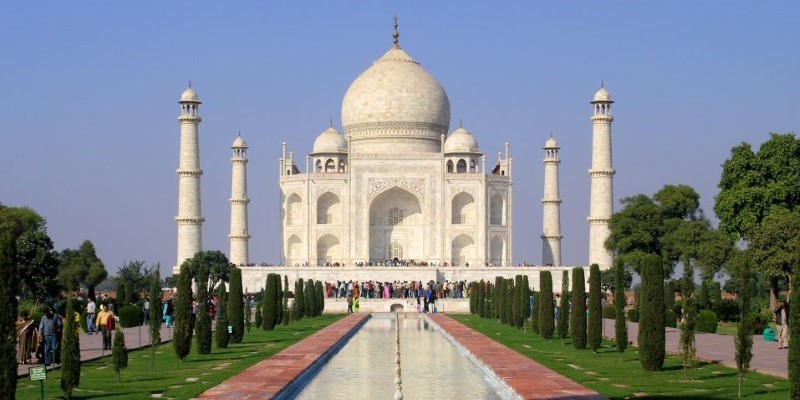
The Taj Mahal is not just an architectural marvel; it is a symbol of eternal love, built by Emperor Shah Jahan in memory of his wife, Mumtaz Mahal. Located in Agra, India, this breathtaking monument continues to captivate people worldwide with its grandeur and the love story behind it.
One of the most iconic landmarks, the Taj Mahal, is a symbol that represents the deep bond between two people. Its significance also lies in the fact that it is not just its beauty but also reflects on human emotion and the height of love that it can evoke. The Taj Mahal stands as a true shrine to love, combining history, architectural brilliance, and cultural importance into one marvelous masterpiece.
The Origins of the Taj Mahal
In early 17th century history, the tale of the Taj Mahal began. In 1612, when Emperor Shah Jahan came to power, Mumtaz Mahal emerged as the lady with whom he was passionately and helplessly in love. For Mumtaz Mahal, he made numerous monumental changes in life at large within six short years that took him to her doorstep-the birth of their 14th child's tragic death in 1631. He decided to make a monument for her, which would be the epitome of their love for centuries to come and honor her memory.
Construction on the Taj Mahal was initiated in 1632, taking approximately 22 years for its completion. Thousands of architects, artisans, and laborers formed a network for the mega project, with Ustad Ahmad Lahauri as their chief architect. Despite this vast magnificence in construction, it was in all aspects, such a masterpiece about detail work, symmetry, and glory, that made it truly an awe-inspiring testament to Mumtaz Mahal.
The Taj Mahal has often been termed the "symbol of love," and with all justification, it is not merely a mausoleum but more so a masterpiece, a reflection of love and bereavement over the past few centuries. Every corner of the Taj Mahal testifies to the immense love that the Emperor held for his wife in every minute carving, flawless symmetry, and even proportionate designs.
The Architectural Marvel of the Taj Mahal
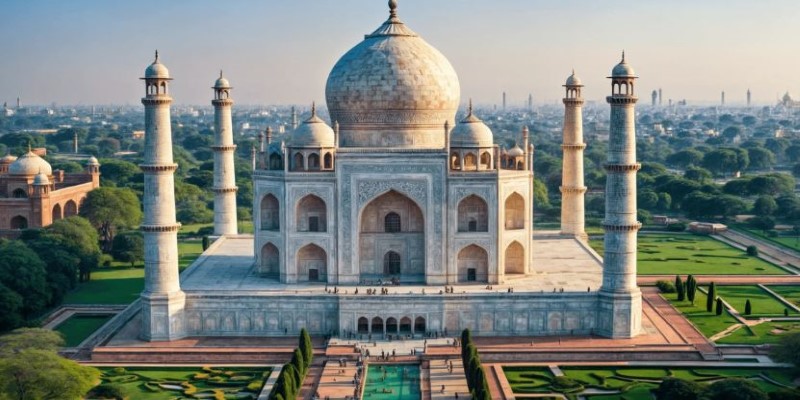
The Taj Mahal is a stunning architectural masterpiece, blending Islamic, Persian, Ottoman Turkish, and Indian design elements. This fusion creates a unique structure that is both visually impressive and culturally significant. At the core of the Taj Mahal is its grand central dome, rising to 35 meters, surrounded by four smaller domes. The structure is framed by a vast, meticulously designed garden that enhances its symmetry. The white marble surface of the Taj Mahal is adorned with intricate carvings, and precious stones such as jade, crystal, and turquoise are embedded in the marble to add color and detail. Sourced from Makrana, Rajasthan, the marble is renowned for its fine quality, contributing to the monument's ethereal beauty.
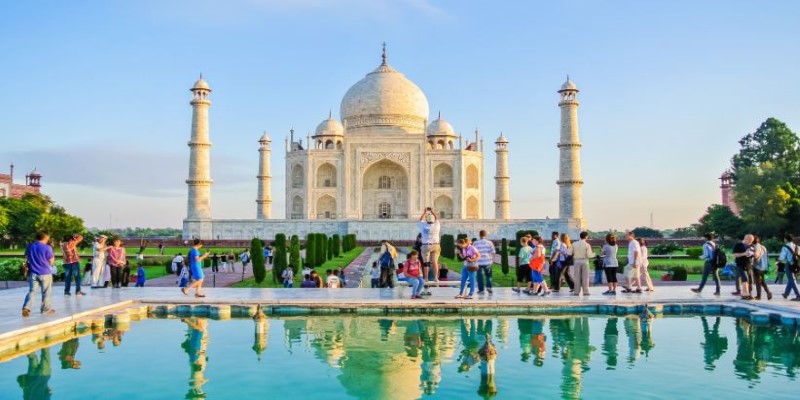
Another remarkable feature of the Taj Mahal is its reflecting pool, which sits directly in front of the structure. The pool mirrors the monument’s grandeur and enhances its tranquil, almost surreal atmosphere, symbolizing eternity. The layout of the Taj Mahal follows the principles of Mughal garden design, which represents the concept of paradise. The garden is divided into four parts, each symbolizing different aspects of paradise, with the central area reflecting eternal life. Every detail, from the symmetry to the proportions, has been carefully planned, making the Taj Mahal one of the most admired monuments worldwide.
Cultural Significance of the Taj Mahal
The Taj Mahal is not just an architectural marvel; it holds profound cultural significance for both India and the world. As one of the Seven Wonders of the World, it attracts millions of visitors annually, eager to admire its beauty and learn about its rich history. The Taj Mahal reflects the creativity and vision of the Mughal Empire, showcasing their expertise in architecture, engineering, and art. It also embodies the empire’s cultural and religious diversity, blending Islamic, Persian, and Indian architectural styles in a harmonious fusion that highlights the era’s cooperation and unity.
Beyond its physical beauty, the Taj Mahal has become a symbol of India’s rich heritage and national pride. Its legacy continues to inspire artists, writers, and musicians globally. The story of Shah Jahan’s devotion to Mumtaz Mahal has transcended cultural boundaries, transforming the Taj Mahal into a universal symbol of love, loss, and devotion. Its significance goes beyond visual appeal, representing the enduring power of human emotion and the lengths people will go to honor their loved ones.
The Taj Mahal’s Enduring Legacy
Over the centuries, the Taj Mahal has endured natural disasters, political upheavals, and environmental challenges. Yet, it remains one of the most iconic and cherished landmarks in the world. Its status as a UNESCO World Heritage site ensures that it is protected for future generations to admire and appreciate.
In recent years, the Taj Mahal has also faced concerns regarding its preservation. Pollution and the surrounding urban development have posed a threat to its structural integrity, and efforts have been made to address these challenges. The Indian government has implemented various conservation measures, including air pollution control and the restoration of the monument’s marble surface, to ensure that the Taj Mahal continues to stand as a testament to human ingenuity and love.
The Taj Mahal's legacy is not limited to its physical structure. It continues to inspire people around the world, reminding them of the power of love and the beauty that can arise from deep emotions. It is a place where people can reflect on their relationships and find inspiration in the enduring love that Shah Jahan and Mumtaz Mahal shared.
Conclusion
The Taj Mahal is not just a mausoleum; it is a testament to the power of love, sacrifice, and human ambition. The grandeur of its design, the intricacy of its details, and the emotion behind its creation make it one of the most beloved monuments in the world. As a symbol of eternal love, it transcends cultural boundaries and resonates with people across the globe. The Taj Mahal continues to stand proudly as a shrine to love, reminding us of the lengths people will go to for those they cherish.