Traveling through Central Europe by train is a journey unlike any other. The rhythmic clatter of wheels, the sprawling landscapes flashing past, and the seamless connections between historic cities create a tapestry of memories you won't soon forget. Whether you’re meandering through medieval towns, gazing at alpine peaks, or savoring a coffee in a bustling station, train travel in Europe offers an experience that feels both nostalgic and innovative.
Central Europe, with its mix of old-world charm and modern conveniences, is uniquely positioned to make rail travel a joyous adventure. This article delves into why train journeys are the perfect way to explore Central Europe, what routes to take, and how this mode of travel embodies the soul of the region.
Why Train Travel Defines Central Europe?
Travel by train in Central Europe is not only about getting to a place but also a source of culture. It contains one of the most developed and well-carried rail networks in the whole world, so it is wonderful for experts and travelers who are on their first trip. You can see places you cannot see when going by air or by car from inside.
From the romantic hills of Austria to the gothic spires of Prague, trains weave a narrative that speaks of history and modernity. Unlike road travel, where you are divided between navigation and scenery, trains provide the luxury of sitting back and drinking in the beauty. And as most stations are located in the city center, hopping off a train often means stepping right into a fairy tale.
The ease of travel with the rail passes suitable for tourists, such as Eurail Global Pass, facilitates a hassle-free and cost-effective mode of traveling. In Germany, Poland, Hungary, and Slovakia, travelers are free to make unlimited trips to any of these places as they like.
Routes Worth Riding
Central Europe boasts an array of scenic train routes, each offering its captivating tale. Among the most iconic is the journey from Vienna to Budapest, a route that follows the majestic Danube. This ride perfectly blends urban sophistication with untouched natural beauty, creating a harmonious contrast between the train's comfort and the rustic views outside. It's a timeless experience that feels as much about the journey as the destination.
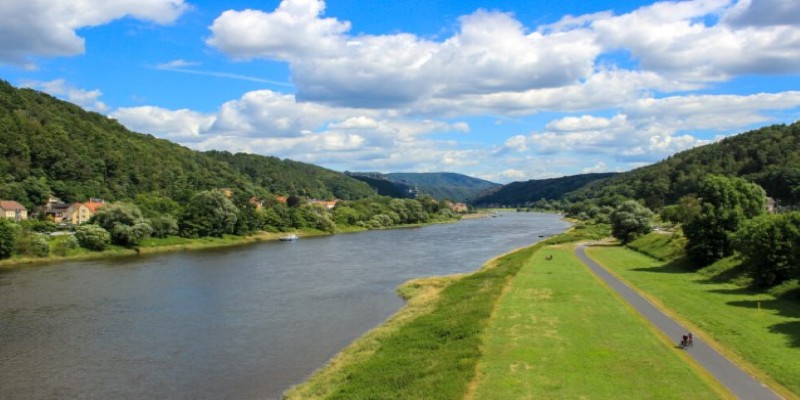
Equally breathtaking is the Prague to Dresden route, which meanders through lush valleys and alongside the serene Elbe River. This stretch is nothing short of a postcard brought to life. For those seeking alpine wonders, the rail journey from Zurich to Innsbruck is a marvel of nature and engineering, with snow-capped peaks, shimmering lakes, and charming villages making every mile unforgettable.
Train travel in Central Europe isn’t limited to lengthy routes. Shorter trips, like Kraków to Wrocław, provide intimate glimpses of the region’s vibrant culture and history. Stops in picturesque towns such as Český Krumlov or Pécs reveal hidden treasures—be it enchanting castles, cobblestone streets, or relaxing thermal baths. Central Europe’s railways offer more than transport; they connect you with the soul of the region, effortlessly blending exploration and discovery into every journey.
The Soulful Side of Train Travel
Train stations in Central Europe are more than transportation hubs; they are stunning architectural landmarks with rich histories. From Budapest’s Nyugati Station, a creation of the Eiffel Company, to Prague’s Main Railway Station, an exquisite blend of Art Nouveau and modernity, these spaces transport you to another era even before your journey begins. Waiting for a train here feels like stepping into a living museum.
Beyond the stations, the train itself becomes a vessel for connection. The diverse array of people you encounter—locals on their daily commutes, fellow travelers eager to exchange stories, or conductors proud of their railways—creates a uniquely human experience. These interactions add warmth and character to your travels, making every trip more personal and memorable. The simple act of sipping coffee in a dining car as the scenery rushes by evokes a nostalgic charm reminiscent of train travel's golden age.
Train journeys also embrace sustainability. With a fraction of the carbon footprint compared to air travel, they are an eco-friendly choice that aligns with modern values. This mode of travel encourages slowing down and savoring the experience, proving that the journey itself is as rewarding as the destination.
Planning Your Adventure
Planning a trip through Central Europe by train is refreshingly straightforward. Begin by mapping out the key cities and regions you wish to explore. Rail passes, such as Interrail or Eurail, are excellent options, offering unlimited travel within certain time frames. Booking individual tickets for shorter trips is also easy and often economical.
Timing matters, too. Spring and autumn provide mild weather and fewer crowds, making your journey even more enjoyable. Summers can be busy, particularly on popular routes, but the energy in cities like Vienna or Kraków during festival seasons can be worth the extra hustle.
Pack light—trains offer generous luggage allowances, but navigating platforms is easier with a smaller bag. Essentials like a power bank, a travel guide, and a good book can make long journeys more comfortable. While most modern trains provide Wi-Fi, it’s wise to download maps and guides for offline use.
Conclusion
Exploring Central Europe by train is more than just a travel choice—it’s an invitation to immerse yourself in the heart of the continent. The freedom to move effortlessly between cities and countries, the chance to witness breathtaking landscapes, and the opportunity to experience the culture of train travel itself make it truly unparalleled. Whether it’s your first trip or your fiftieth, every journey feels fresh and full of promise. So, as the train whistle echoes and the countryside begins to blur, let Central Europe reveal its secrets through the windows of its timeless railways. Your next adventure is just a ticket away.